
Melatonin Side Effects and Why It Stops Working After 45
I earn a commission if you buy through some links on this page, at no extra cost to you. No brand pays to be reviewed here. How this site makes money.
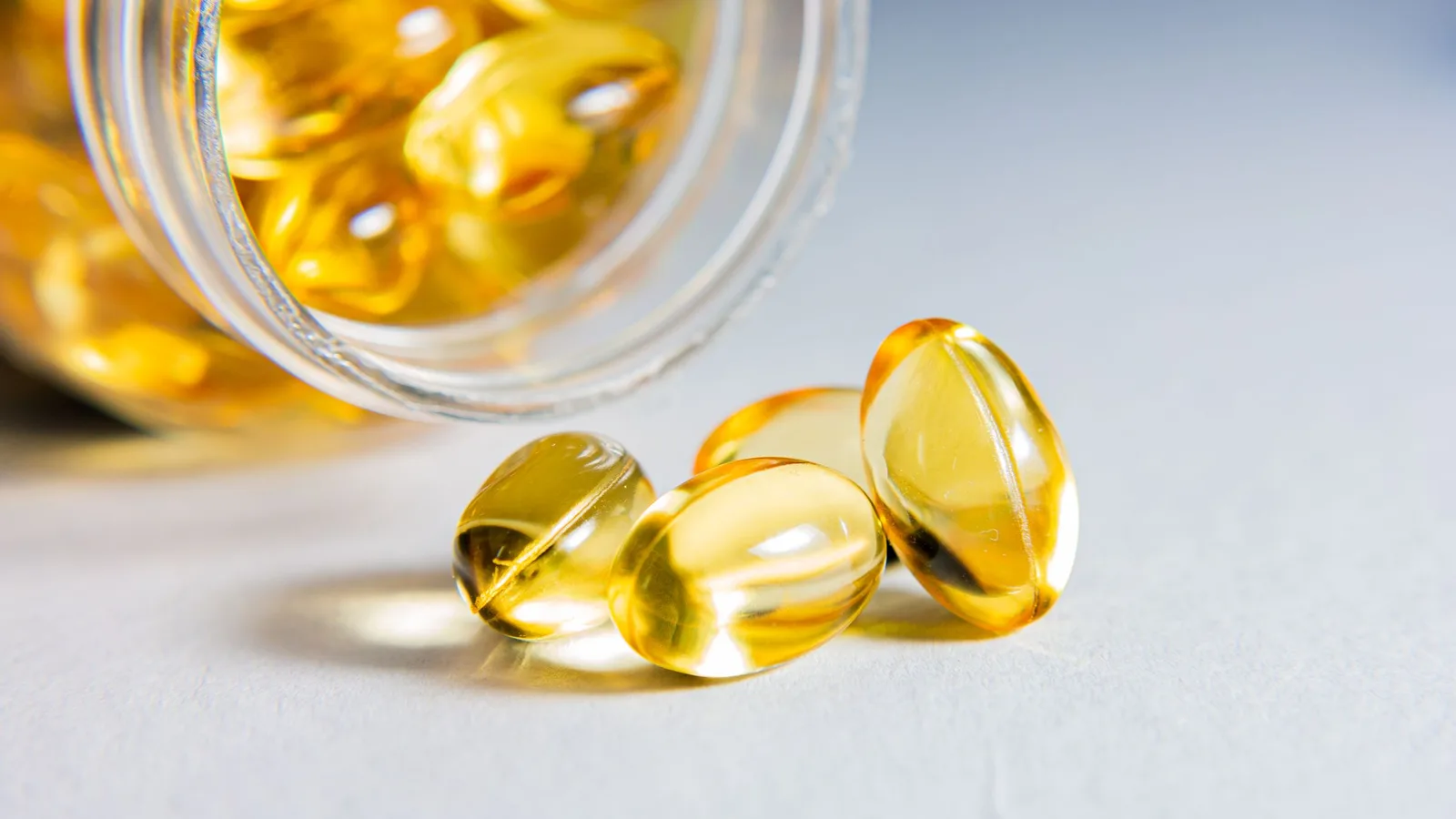
Melatonin is the sleep aid most of us try first. The share of US adults taking it went from 0.4% to 2.1% between 1999 and 2018, and that was before gummies took over the shelf (Li et al., JAMA, 2022). It's cheap, it's everywhere, and it feels natural, because your body makes it.
Then one of two things happens. It gives you a foggy morning or a headache. Or it works for a week and then you're back to waking at 3 AM. Both have explanations, and neither means you're out of options.
What are the most common side effects of melatonin?
Two systematic reviews published in 2019 pulled together the side effects reported across clinical trials. The ones that came up most were daytime sleepiness, headache, dizziness and nausea, and the large majority were mild and went away on their own (Besag et al., CNS Drugs, 2019; Foley and Steel, Complementary Therapies in Medicine, 2019). Vivid dreams are a common complaint too.
The morning fog is the one that matters most after 45, and it's mostly a dose problem. That's good news, because dose is the part you control.
Why does melatonin stop working?
It was never a staying-asleep pill. Melatonin is a timing signal. It tells your body when night begins. Across 19 trials with 1,683 people, it helped people fall asleep about 7 minutes faster and sleep about 8 minutes longer (Ferracioli-Oda et al., PLOS ONE, 2013). That's real for a drifting body clock. For a 3 AM waking it's a small effect, because the problem isn't when your night starts.
The dose is too high. In a study of adults over 50 with insomnia, 0.3 mg restored sleep efficiency, while 3 mg left melatonin levels raised into the next day and lowered body temperature (Zhdanova et al., Journal of Clinical Endocrinology & Metabolism, 2001). Most shelves sell 3, 5 and 10 mg. More isn't stronger here. It's just longer, and the extra lands on your morning.
The bottle isn't what the label says. When researchers tested 31 melatonin supplements, the actual content ranged from 83% less to 478% more than the label (Erland and Saxena, Journal of Clinical Sleep Medicine, 2017). A 2023 test of 25 melatonin gummies sold in the US found amounts from 74% to 347% of the label (Cohen et al., JAMA, 2023). The dose you think you're taking may not be the dose you're taking, and it can change from bottle to bottle.
The light gets in. Turn on a lamp or check your phone at 3 AM and you suppress the same hormone you took at bedtime. Here's how to fall back asleep after waking up at 3 AM without doing that.
Is melatonin bad for women over 45?
For short-term use, the safety record is good. The questions come with long-term nightly use and with other medicines. Melatonin can interact with blood thinners, blood pressure and diabetes medication and sedatives, which is why the NIH's National Center for Complementary and Integrative Health advises checking with a health professional before combining it with other medicines (NCCIH).
You may also have seen the headlines about melatonin and heart failure. They came from a study presented at the American Heart Association's 2025 meeting, which looked at the health records of 130,828 adults with insomnia and found that those prescribed melatonin for a year or more had higher rates of heart failure over five years, 4.6% against 2.7% (American College of Cardiology report, 2025). It's an observational analysis that hadn't been published in a journal, so it shows a link, not a cause. It's still one more reason to keep the dose low.
How much melatonin should you take for sleep?
I can't give you a personal dose, but I can tell you what the research used. The dose study above found 0.3 mg enough in adults over 50. In Europe and the UK, the melatonin licensed for insomnia in people 55 and over is a 2 mg prolonged-release tablet, built to release slowly through the night, and trials found it improved sleep quality and morning alertness with no withdrawal effects when it was stopped (Wade et al., Current Medical Research and Opinion, 2007; Lemoine et al., Journal of Sleep Research, 2007). Both point the same way: a low dose, under the 5 and 10 mg most of us started on.
What to do if melatonin doesn't work for you
Stop asking it to fix 3 AM on its own, because that's not what it's built for. Keep the melatonin low and add what works on the second half of the night. Magnesium, tart cherry and L-theanine have each been tested on staying asleep, and none of them is a timing signal. Natural ways to stay asleep all night goes through each one with the studies, alongside the four habits that protect the early morning hours.
If you'd rather take one thing than four, that's exactly how Yu Sleep is built: tart cherry, magnesium glycinate, L-theanine and lemon balm, with just 0.9 mg of melatonin instead of 5 or 10. It comes as drops under the tongue and carries a 60-day money-back guarantee. Here's my Yu Sleep review, with the price per night.
When to see a doctor
Check with a doctor or pharmacist before taking melatonin if you're on blood thinners, blood pressure or diabetes medication, sedatives or antidepressants. See a doctor if you've needed something to sleep most nights for three months, or if you snore loudly or wake gasping, which can be sleep apnea that gets mistaken for insomnia in women. And if the morning grogginess is affecting your driving, stop and talk it through before the next dose.
Questions people ask
What are the side effects of melatonin in older adults?
The most commonly reported are next-day sleepiness, headache, dizziness and nausea, mostly mild and short-lived. Dose matters: in a study of adults over 50, 0.3 mg restored sleep efficiency while 3 mg left melatonin levels raised into the next day, which is where the morning fog comes from.
Why is melatonin not working anymore?
Usually because it's being asked to do a job it doesn't do. Melatonin mainly shifts when sleep starts, so it rarely fixes waking at 3 AM. A dose that's too high, a product that doesn't match its label, or light in the middle of the night can also blunt it.
Can melatonin make you wake up at 3 AM?
It can play a part. A dose that peaks early can fade in the small hours, and vivid dreams, a common side effect, can surface you from the lighter sleep of the early morning. If the 3 AM wake-ups started after you began melatonin, a lower dose or a formula built for staying asleep is the next thing to try.
Can you take melatonin every night?
Short-term nightly use has a good safety record in trials. For long-term use, the sensible approach is the lowest dose that works, which research in adults over 50 puts well under the 5 and 10 mg most shelves sell.
Is melatonin bad for your heart?
It hasn't been shown to cause heart problems. A study presented at the American Heart Association meeting in 2025 found an association between a year or more of prescribed melatonin and heart failure in adults with insomnia, but it was observational and hadn't been published in a journal. If you have a heart condition, raise it at your next appointment, and in the meantime a low dose keeps the question small.
What can I take instead of melatonin to stay asleep?
Magnesium, tart cherry and L-theanine are natural sleep aids that have been tested on sleep through the night, and they work on something other than the body clock. Formulas such as Yu Sleep combine them with a low 0.9 mg of melatonin instead of a high dose.
The verdict: what to take instead of high-dose melatonin
If melatonin gave you foggy mornings, or it stopped keeping you asleep, switch to a low dose paired with what works on the second half of the night. That's exactly how Yu Sleep is built, and it's the one I'd try.
- Just 0.9 mg of melatonin, close to the low doses research favors after 50, not 5 or 10
- Tart cherry, magnesium glycinate and L-theanine, the ingredients tested on staying asleep
- Lemon balm and GABA for the mind that switches on at 3 AM
- Drops under the tongue, and a 60-day money-back guarantee on every package
The 3-bottle pack works out at about $1.97 a night with free shipping (price checked October 25, 2026), and it covers the whole 60-day guarantee window. If it isn't for you, you get your money back.
Sources
- Li J, et al. "Trends in Use of Melatonin Supplements Among US Adults, 1999-2018." JAMA, 2022. Abstract.
- Besag FMC, et al. "Adverse Events Associated with Melatonin for the Treatment of Primary or Secondary Sleep Disorders: A Systematic Review." CNS Drugs, 2019. Abstract.
- Foley HM, Steel AE. "Adverse events associated with oral administration of melatonin: A critical systematic review of clinical evidence." Complementary Therapies in Medicine, 2019. Abstract.
- Ferracioli-Oda E, et al. "Meta-analysis: melatonin for the treatment of primary sleep disorders." PLOS ONE, 2013. Abstract.
- Zhdanova IV, et al. "Melatonin treatment for age-related insomnia." Journal of Clinical Endocrinology & Metabolism, 2001. Abstract.
- Erland LA, Saxena PK. "Melatonin Natural Health Products and Supplements: Presence of Serotonin and Significant Variability of Melatonin Content." Journal of Clinical Sleep Medicine, 2017. Abstract.
- Cohen PA, et al. "Quantity of Melatonin and CBD in Melatonin Gummies Sold in the US." JAMA, 2023. Abstract.
- Wade AG, et al. "Efficacy of prolonged release melatonin in insomnia patients aged 55-80 years: quality of sleep and next-day alertness outcomes." Current Medical Research and Opinion, 2007. Abstract.
- Lemoine P, et al. "Prolonged-release melatonin improves sleep quality and morning alertness in insomnia patients aged 55 years and older and has no withdrawal effects." Journal of Sleep Research, 2007. Abstract.
- National Center for Complementary and Integrative Health, "Melatonin: What You Need To Know." Overview.
- American College of Cardiology, "Research Suggests Long-Term Melatonin Use For Insomnia Increases HF Risk," reporting Nnadi et al., AHA Scientific Sessions 2025. Report.
Related: